Client
Copenhagen Energy A/S
Asset Type
Floating Offshore Wind Farm (FOWF)
Location
Philippines
Client Challenge
The Philippines presents one of the most complex environments for floating offshore wind development:
- Multiple geohazards: seismicity, volcanic activity, slope instability, shallow bedrock, deep waters, and steep seabed gradients.
- High variability: rapid changes in soil type, bathymetry, and seabed morphology.
- Data limitations: geotechnical data restricted to shallow nearshore samples and low-resolution bathymetry (~50 m grid).
The challenge was to extract reliable insights from limited and fragmented datasets to provide a realistic interpretation of the engineering properties of soils and seabed conditions in support of early foundation concept recommendations.
How We Helped
Vysus Survey & GeoEngineering carried out a structured assessment of seabed and sub-surface conditions by:
- Comprehensive data review: integrating public domain and regional geological studies.
- Scoring system: developing favourability scores for cable routes and floating wind foundations, reflecting technical feasibility and cost implications.
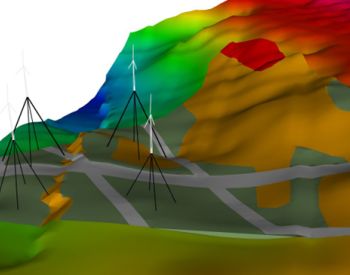
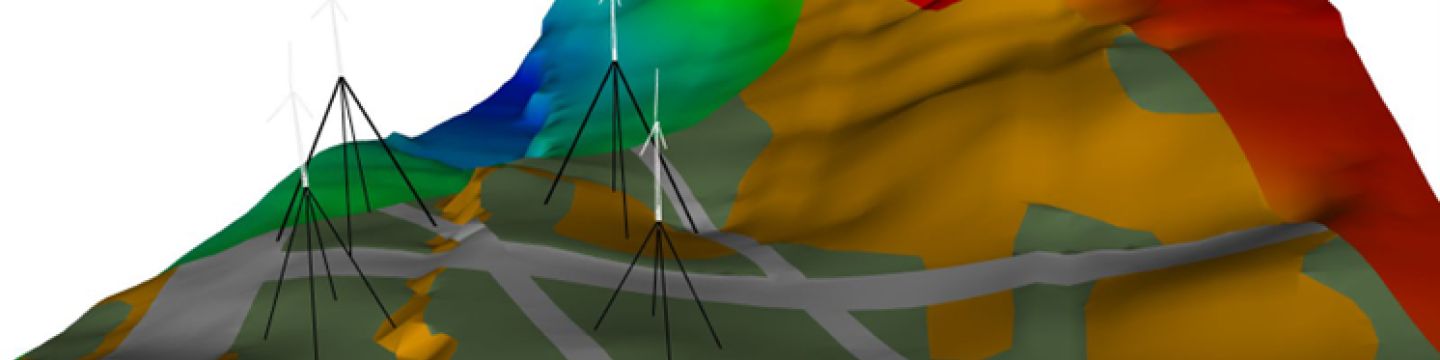
- Ground Conditions Favourability Charts: GIS-based traffic light classification of seabed and sub-surface conditions to help visualise the variability across the sites.
- Soil provinces: grouping areas with similar geology and deriving representative soil parameters, supported by shallow geology assumptions.
Powerful Results
- Phased ground investigation strategy proposed, including reconnaissance surveys, ground model development, and detailed SI campaigns, including survey equipment recommendations tailored to each site.
- Foundation recommendations suited to site conditions, including floater concepts, mooring, and anchoring systems for each site.
- Geotechnical design risks highlighted, such as liquefaction, slope instability, soft clay presence, carbonate deposits, and hard rock layers.
These insights enabled the client to understand site constraints, identify feasible foundation/anchoring solutions for the FOWF, and plan targeted investigations, thereby turning limited data into a solid basis for development decisions.
Related Services